

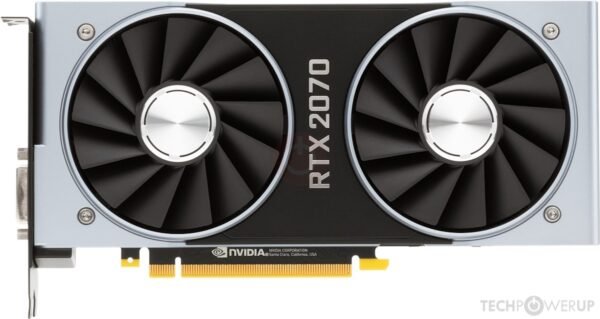
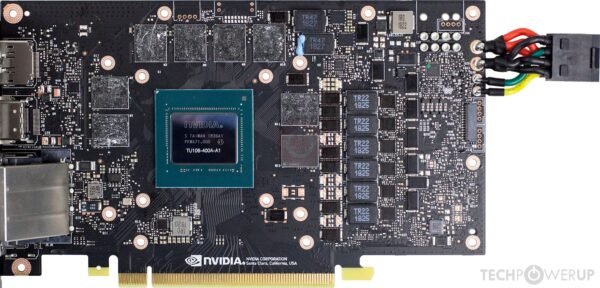
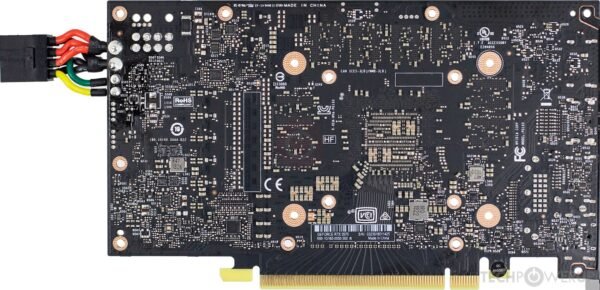
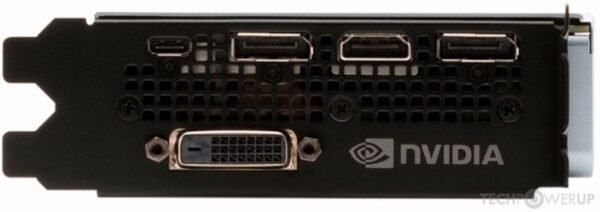
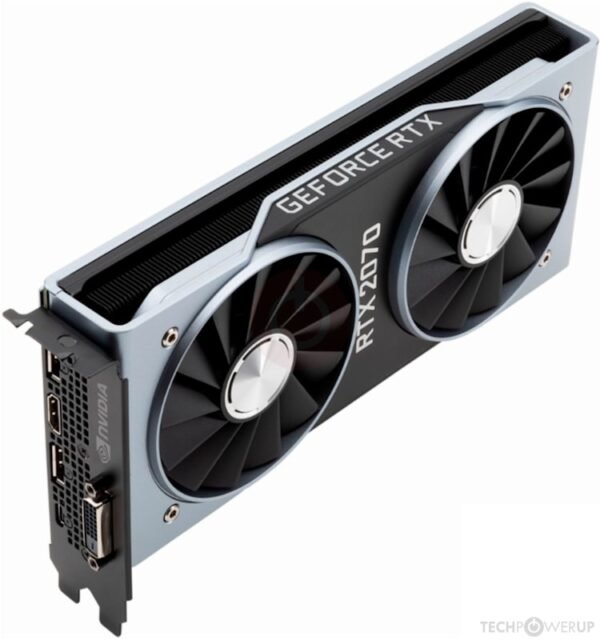

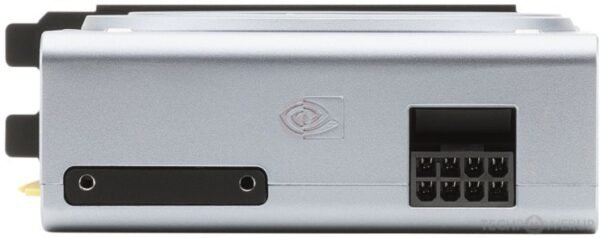
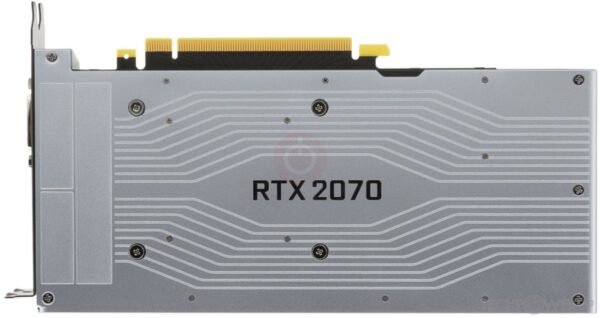
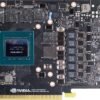

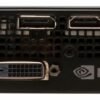
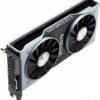


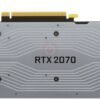
NVIDIA G-FORCE RTX 2070 8 GB GDDR6 256 bit
Core Specifications:
| Specification | Detail |
|---|---|
| GPU architecture | Turing (TU106) |
| Process / Node | 12 nm |
| CUDA Cores | 2,304 |
| TMUs / ROPs | 144 TMUs, 64 ROPs |
| Memory | 8 GB GDDR6 on a 256-bit bus |
| Memory bandwidth | ~ 448 GB/s |
| Base clock / Boost clock | 1,410 MHz base, ~ 1,620 MHz boost (may vary by model and manufacturer) |
| Power draw (TGP / TDP) | ~ 175 W under load |
| Required PSU | Strongly recommended to have ~ 550 W PSU (varies depending on rest of system) |
Core Specifications:
| Specification | Detail |
|---|---|
| GPU architecture | Turing (TU106) |
| Process / Node | 12 nm |
| CUDA Cores | 2,304 |
| TMUs / ROPs | 144 TMUs, 64 ROPs |
| Memory | 8 GB GDDR6 on a 256-bit bus |
| Memory bandwidth | ~ 448 GB/s |
| Base clock / Boost clock | 1,410 MHz base, ~ 1,620 MHz boost (may vary by model and manufacturer) |
| Power draw (TGP / TDP) | ~ 175 W under load |
| Required PSU | Strongly recommended to have ~ 550 W PSU (varies depending on rest of system) |
What It Does Well:
These are the strengths of the RTX 2070 in modern use:
-
1080p and 1440p gaming: It handles modern AAA games well at 1080p with high settings, and decent performance in many titles at 1440p if you’re willing to tweak settings.
-
Ray tracing + DLSS: Because it has RT cores and supports DLSS, it can do ray tracing in supported games, especially when combined with DLSS or lowered settings — letting you get the visual fidelity without killing performance.
-
Rich feature-set: Support for modern APIs (DirectX 12 Ultimate, Vulkan), good driver support, strong hardware for features like VR, etc.
-
Longevity: While not the latest architecture, the RTX 2070 is still strong enough that many games will run acceptably for the next few years (especially if you’re not pushing ultra/everything on at 4K).
Reviews
There are no reviews yet.